Ayaz | Architect²

It begins over coffee. Not with a brief, but with a conversation — unhurried, open, the kind where what matters to a person surfaces naturally, without being asked for directly. The questions are never about square footage or style. They reach further back — to childhood mornings, to the particular quality of light in a grandparent's kitchen, to the summers that somehow still live in the body decades later. The moments we instinctively frame and hold onto are rarely about the event itself. They are about the space that held them — the ceiling height, the smell of air moving through a window, the feeling of being sheltered and open at once. These are the true coordinates of a home.

From those memories comes a reading of the site — its orientation, its relationship to sun and prevailing wind, the way light moves across it in December versus June. Where a room faces determines what it feels like to wake up in it. How a facade is layered determines whether summer heat is a burden or a presence held gently at bay. The built and the natural are never treated as separate systems but as a single continuous one, each informing the other until the boundary between them becomes difficult to locate — which is precisely the point.

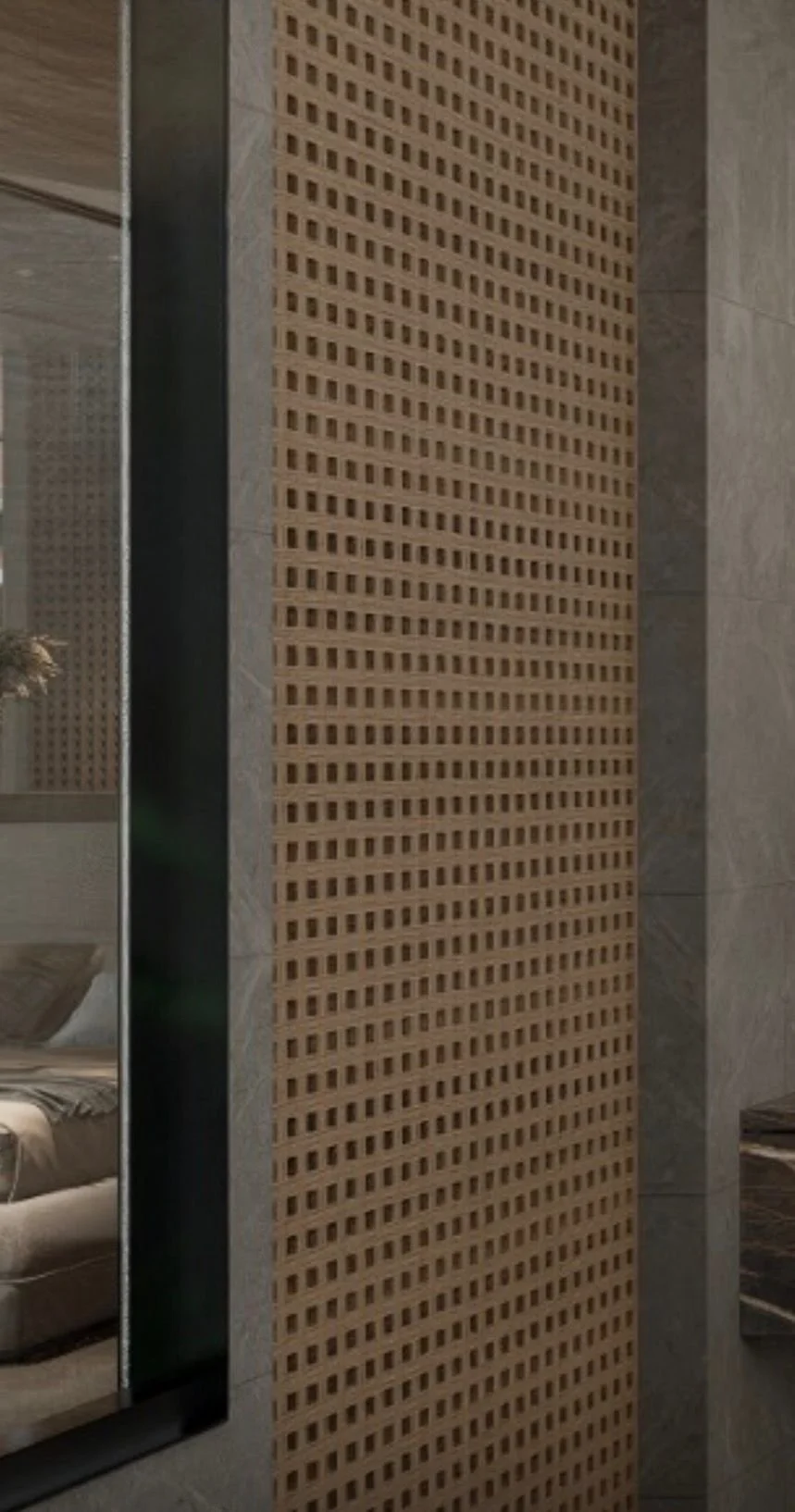
Material enters the conversation next, not as finish but as experience. What a surface does to light. How it ages. What it asks of the body that moves past it or rests a hand against it. Every choice is made in service of the occupant's relationship to their environment — to the seasons they will live through, the hours they will inhabit, the memories that will slowly find new places to live.

An Atlanta native trained at Southern PolyTech and Columbia University, Ayaz carries both a deep rootedness in the American South — its light, its humidity, its particular rhythm of seasons — and the theoretical rigor of one of architecture's most demanding programs. A parallel career in cybersecurity architecture runs alongside the building work, not as a contradiction but as a natural extension of the same mind — one drawn to understanding how complex systems are constructed, how they communicate, where they are resilient and where they are quietly fragile. Both disciplines ask the same fundamental question, differently dressed: how do you build something that protects what matters, that performs beautifully without announcing itself?

Architect² is not a credential. It is a commitment — to the process, to the person, to the conviction that the finest architecture does not announce itself but simply makes those within it feel, without quite knowing why, that they have been here before.

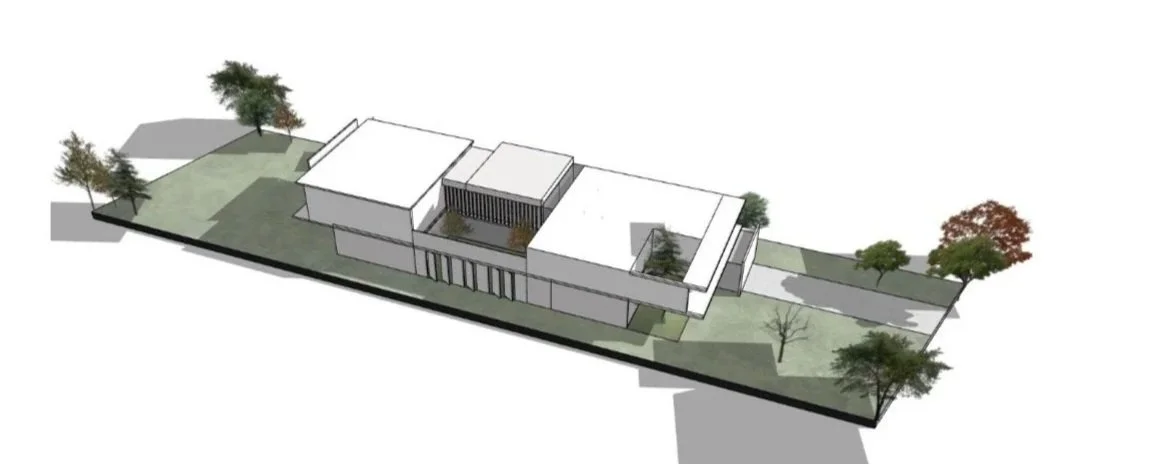
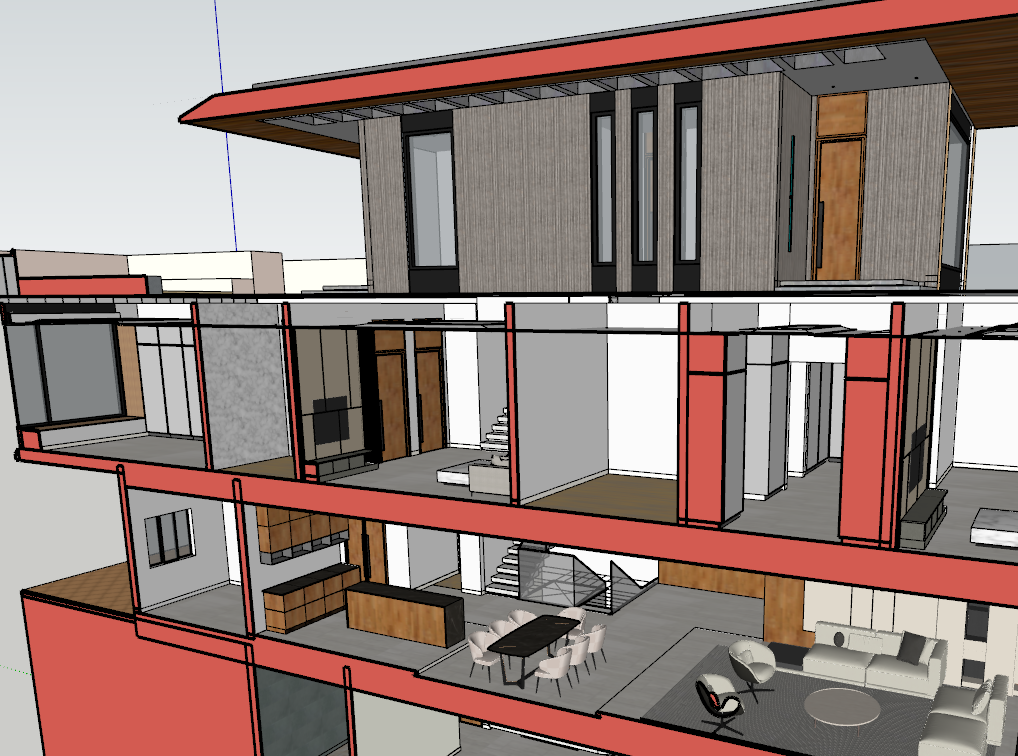
Architecture should engage with its surrounding environment, blurring the line between inside and outside to invite experience. Through a discipline of light, material, and geometry, spaces are designed around how people actually use and move through them and how a space can register the seasons, letting nature in as part of daily life.

- - Ayaz M.

hello@threadsandbeams.com
(404) 319 0788

New York | Atlanta | Muscat